Geolocation Technology and Tiered Rewards in Northern European Mobile Wagering Platforms
Skriven av Viktor Simmons · 2026-10-28

Geolocation Technology and Tiered Rewards in Northern European Mobile Wagering Platforms
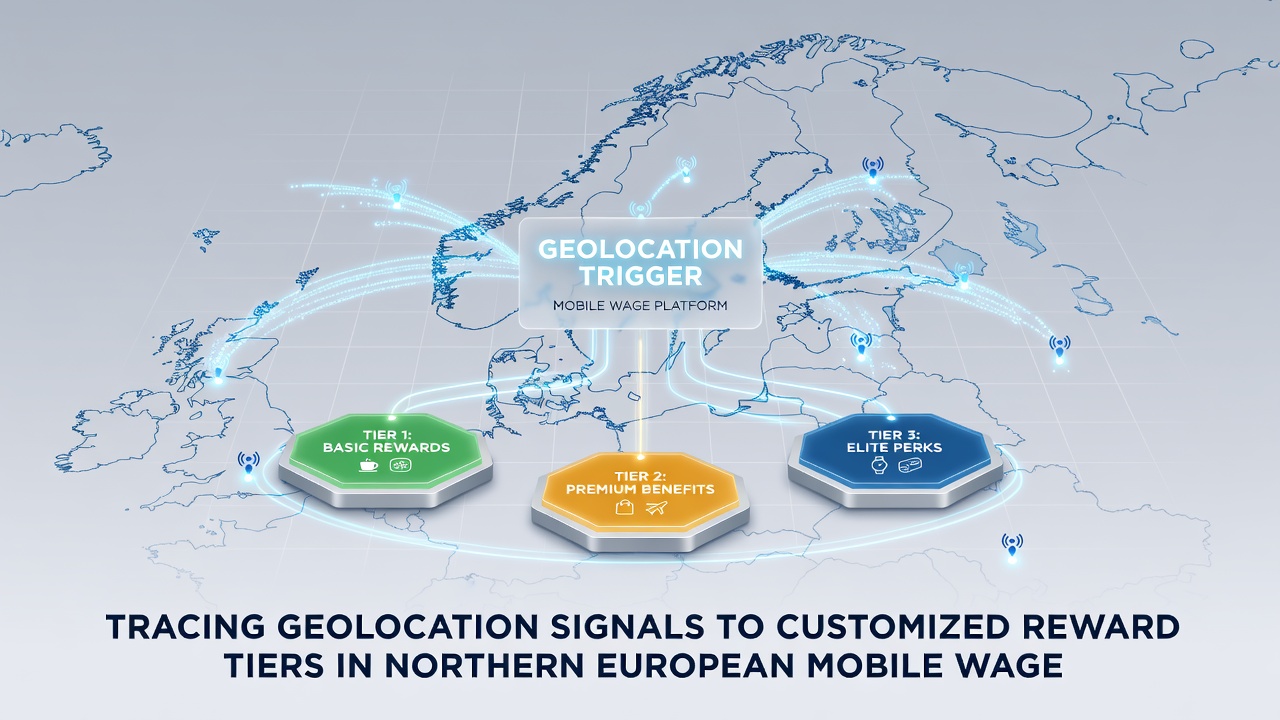
Northern European mobile wagering platforms rely on layered geolocation signals to determine which reward tiers activate for each user session, and this process combines GPS coordinates, WiFi network data, cellular tower triangulation, and IP address verification. Systems in Sweden, Finland, Norway, and Denmark integrate these inputs through application programming interfaces that cross-reference location accuracy thresholds before unlocking customized bonuses or free spins. Developers design these sequences to comply with national licensing rules while delivering location-specific promotions that vary by region or even by precise venue coordinates.
Signal Collection and Verification Layers
Applications collect primary GPS readings at the start of each session, then supplement them with secondary checks from nearby wireless networks and mobile network operators, and this multi-source approach reduces spoofing attempts while maintaining sub-100-meter precision in urban areas. When a device crosses predefined geofences around sports venues or city centers, the platform recalculates eligibility and pushes updated reward offers within seconds. Observers note that accuracy drops in rural zones where cellular coverage thins, prompting fallback algorithms that weight IP-based estimates more heavily until stronger signals return.
Customized Reward Activation Sequences
Once verified, location data feeds into backend rules engines that match coordinates against tier matrices stored in regional databases, and these matrices assign different bonus percentages or cashback rates depending on whether the user sits inside high-density betting zones or lower-traffic areas. A user near a major stadium in Helsinki might receive elevated accumulator bonuses during match days, whereas the same account in a remote Finnish town activates standard loyalty points only. Data from platform operators indicate that such differentiation helps manage promotional budgets by concentrating higher-value offers where competition and user density peak.
Regulatory and Technical Constraints Across Borders
National authorities require operators to maintain audit logs of every geolocation decision, and these records must demonstrate consistent application of distance thresholds that prevent cross-border leakage into unlicensed markets. In October 2026 several platforms completed upgrades to their location services ahead of updated EU data-sharing guidelines, incorporating encrypted token exchanges between app clients and central servers to protect user coordinates during transmission. Those upgrades also introduced real-time revocation of active sessions when devices register sudden jumps exceeding 500 kilometers within a short window, a measure aimed at blocking VPN-assisted location masking.
Industry reports from the European Gaming and Betting Association highlight how Nordic operators share anonymized geolocation pattern datasets with academic researchers studying user mobility, and these collaborations produce aggregated maps that reveal peak reward redemption hours without exposing individual identities. One study conducted at Aalto University tracked aggregated movement flows across the Helsinki metropolitan area and correlated them with bonus claim spikes during evening commute periods.
Integration with User Profiles adn Session History
Geolocation does not operate in isolation, instead it merges with historical session data such as average stake size, game preferences, and time-of-day patterns to refine the exact reward parameters shown to each account. A returning user who frequently places bets from the same Stockholm district might see progressively higher cashback tiers after maintaining consistent location signals over multiple weeks. Platforms log these progressive adjustments in compliance files that regulators can request during routine inspections.
Future Infrastructure Developments
Telecom providers across the region continue rolling out 5G small-cell networks that improve indoor geolocation resolution, and operators anticipate tighter integration between these networks and wagering apps by late 2027. Enhanced positioning will allow reward tiers to differentiate between specific sections inside large venues, such as premium seating versus general admission areas. Research institutions in Denmark have begun pilot projects that test ultra-wideband beacons for even finer venue-level triggers while maintaining full encryption of all transmitted coordinates.
Conclusion
Geolocation signals serve as the primary gatekeepers for customized reward structures inside Northern European mobile wagering ecosystems, and the combination of multiple verification layers, regulatory logging requirements, and profile integration creates a dynamic system that adjusts offers in real time. Continued infrastructure improvements will likely sharpen these capabilities further while preserving the audit trails demanded by licensing bodies.