Swedish Regulatory Oversight Shapes App Interfaces for Betting Platforms
Skriven av Rafael Baumann · 2026-09-16
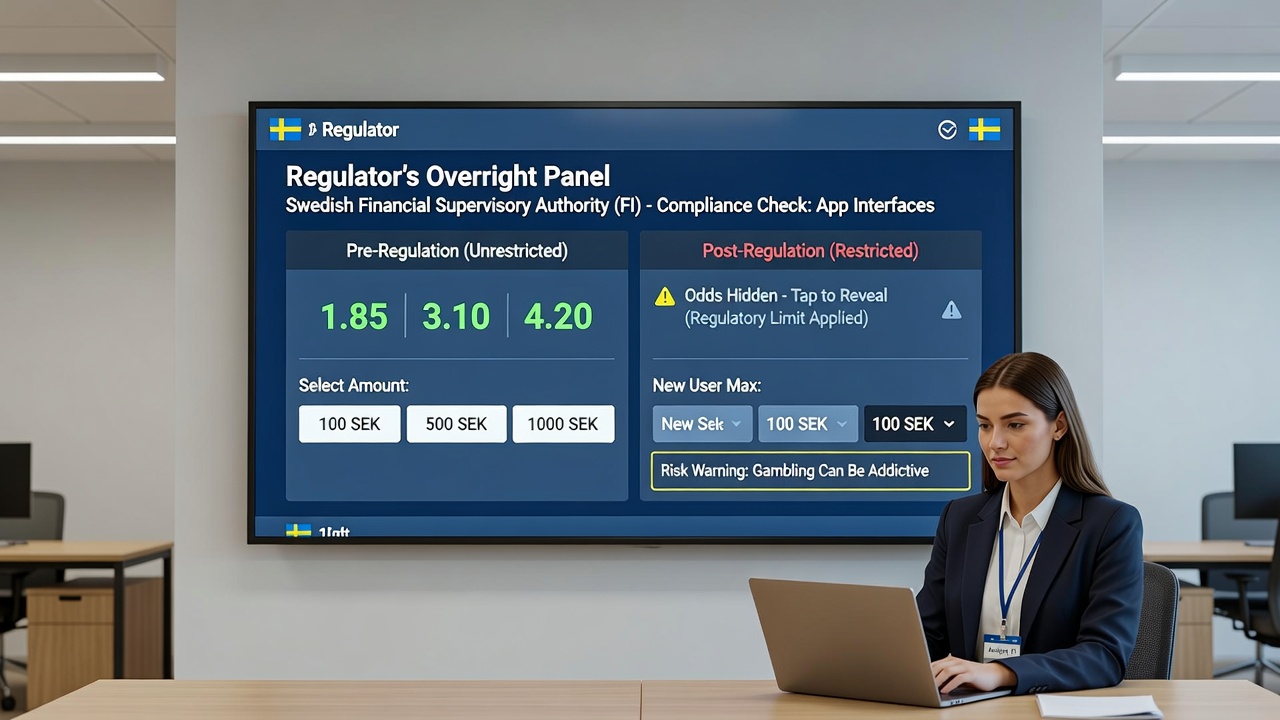
Swedish Regulatory Oversight Shapes App Interfaces for Betting Platforms
Swedish regulators maintain strict control over digital gambling platforms through licensing requirements that directly influence how operators design mobile applications. The Spelinspektionen enforces rules on interface elements including odds presentation and deposit pathways to promote transparency and responsible participation. These measures apply to all licensed operators serving users within Sweden and extend to app-based environments where new users encounter initial interactions.
Core Regulatory Framework for Digital Interfaces
Legislation requires that every licensed app undergoes review processes before release, with ongoing audits to confirm continued adherence. Operators must submit interface prototypes that demonstrate clear display of betting odds without hidden elements or misleading formatting. Deposit selections receive similar scrutiny because new users often complete registration and first funding in a single session, creating opportunities for oversight at these critical points. Data from regulatory filings shows that interface changes trigger re-evaluation when they alter visibility of odds or available payment methods.
Impact on Odds Visibility Standards
App developers receive guidance that odds must appear in standardized formats across screens, with font sizes and contrast ratios meeting accessibility thresholds. This prevents smaller text or collapsed menus from obscuring information during live events or pre-match betting. One operator adjusted its mobile layout in early 2025 after regulators flagged that dynamic odds updates temporarily hid decimal values behind expandable sections. Those adjustments resulted in persistent display of primary odds alongside secondary markets, aligning with documented compliance expectations. Studies from European gaming research groups indicate that such visibility rules correlate with reduced user complaints about unexpected bet placements.
Deposit Option Controls for New Users
New account holders encounter deposit interfaces that incorporate mandatory verification steps before funds transfer. Regulators mandate that apps present a limited set of verified payment options initially, expanding access only after identity confirmation. This sequencing prevents immediate high-value deposits while allowing users to select from approved methods such as bank transfers or digital wallets. Figures released by industry monitoring bodies reveal that apps incorporating these staged selections report lower rates of disputed transactions in the first thirty days of activity. Operators integrate these controls through backend systems that flag new users and restrict menu options accordingly.

Developments Anticipated by September 2026
Regulatory updates scheduled for implementation around September 2026 focus on enhanced API requirements that standardize data feeds for both odds and deposit verification. These changes aim to create uniform reporting across platforms, enabling automated compliance checks during app updates. Licensed entities have begun preparatory work on interface revisions that embed these protocols, with particular attention to how new users navigate from registration through first deposit and odds selection. Reports from trade associations note that testing phases have already identified minor display conflicts in certain app versions, prompting preemptive redesigns.
Enforcement Mechanisms and Operator Responses
Inspectors conduct periodic reviews of live apps, examining screen captures and user flow recordings to verify odds remain fully visible during simulated betting sessions. Deposit pathways undergo parallel evaluation to confirm new users cannot bypass verification or access unapproved methods. Non-compliant operators face suspension of app distribution rights until corrections occur. Several major platforms have documented their adaptation processes in public filings, showing shifts toward modular interface designs that allow quick regulatory adjustments without full rebuilds. Academic papers from Nordic research institutions highlight how these enforcement patterns encourage proactive compliance engineering within development teams.
Broader Industry Context
Swedish rules interact with broader European digital standards that address data privacy and transaction security, creating layered obligations for app creators. Observers note that operators serving multiple jurisdictions often maintain separate interface variants to satisfy each region's specific visibility and deposit protocols. This modular approach has become standard practice among larger groups, reducing the risk of cross-border violations while maintaining core functionality. Industry reports from Australian regulatory bodies and Canadian provincial oversight agencies describe similar interface controls, though implementation details differ based on local licensing models.
Conclusion
Swedish oversight of app interfaces continues to evolve through targeted rules on odds visibility and deposit sequencing for new users. These requirements shape development priorities and ongoing maintenance across licensed platforms. As September 2026 approaches, further refinements to API standards and verification flows will likely influence how operators balance regulatory demands with user experience design. The resulting interfaces reflect documented compliance priorities that prioritize clear information delivery and controlled access points throughout the registration and initial engagement process.